


JANUARY IS GLAUCOMA AWARENESS MONTH
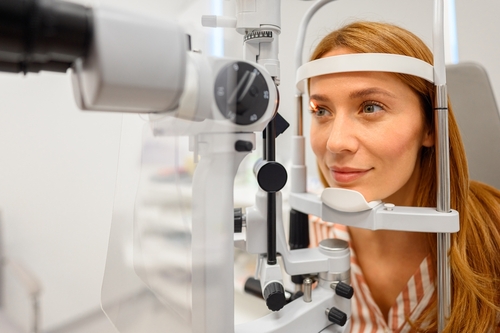
Glaucoma is a leading cause of irreversible vision loss and blindness in the United States and worldwide, with nearly half of those affected unaware of their condition. In most cases, it is characterized by high intraocular pressure that causes gradual damage to the optic nerve, resulting in progressive visual field loss and eventually blindness.
Glaucoma is often referred to as the “silent thief of sight” because in the early stages it is without symptoms, making comprehensive dilated eye exams crucial for early detection. Although there is no cure, early intervention can significantly reduce the risk of vision loss.
Glaucoma risk factors include:
Family history of glaucoma
African, Hispanic or Asian heritage
Age over 60
Ocular hypertension
High myopia (nearsightedness)
Farsightedness
Previous eye injury
Long-term steroid use
Thin corneas
Diabetes
Hypertension
Low blood pressure
Sleep apnea
How is glaucoma treated?
Eye drops: prescribed eye drops improve fluid drainage or decrease eye pressure by limiting fluid production.
Oral medications: prescribed when eye drops are ineffective.
Surgery and therapies:
Drainage tubes: small tubes shunt excess fluid.
Filtering surgery: decreases eye pressure by allowing fluid drainage.
Laser therapy: treats open-angle glaucoma by facilitating fluid drainage.
Minimally invasive glaucoma surgery (MIGS): Fewer side effects and complications than standard surgeries.
Glaucoma is a serious and progressive eye condition that can silently rob you of your vision if left untreated. Don’t wait for symptoms to appear - schedule a comprehensive eye exam with us today!


MAP
Powered by: 